Client
Duration
#
Design
#
Univeristy
A tactile communication device designed to support non-verbal children with autism in expressing emotions and building everyday connections.
About the project
Context and Collaboration
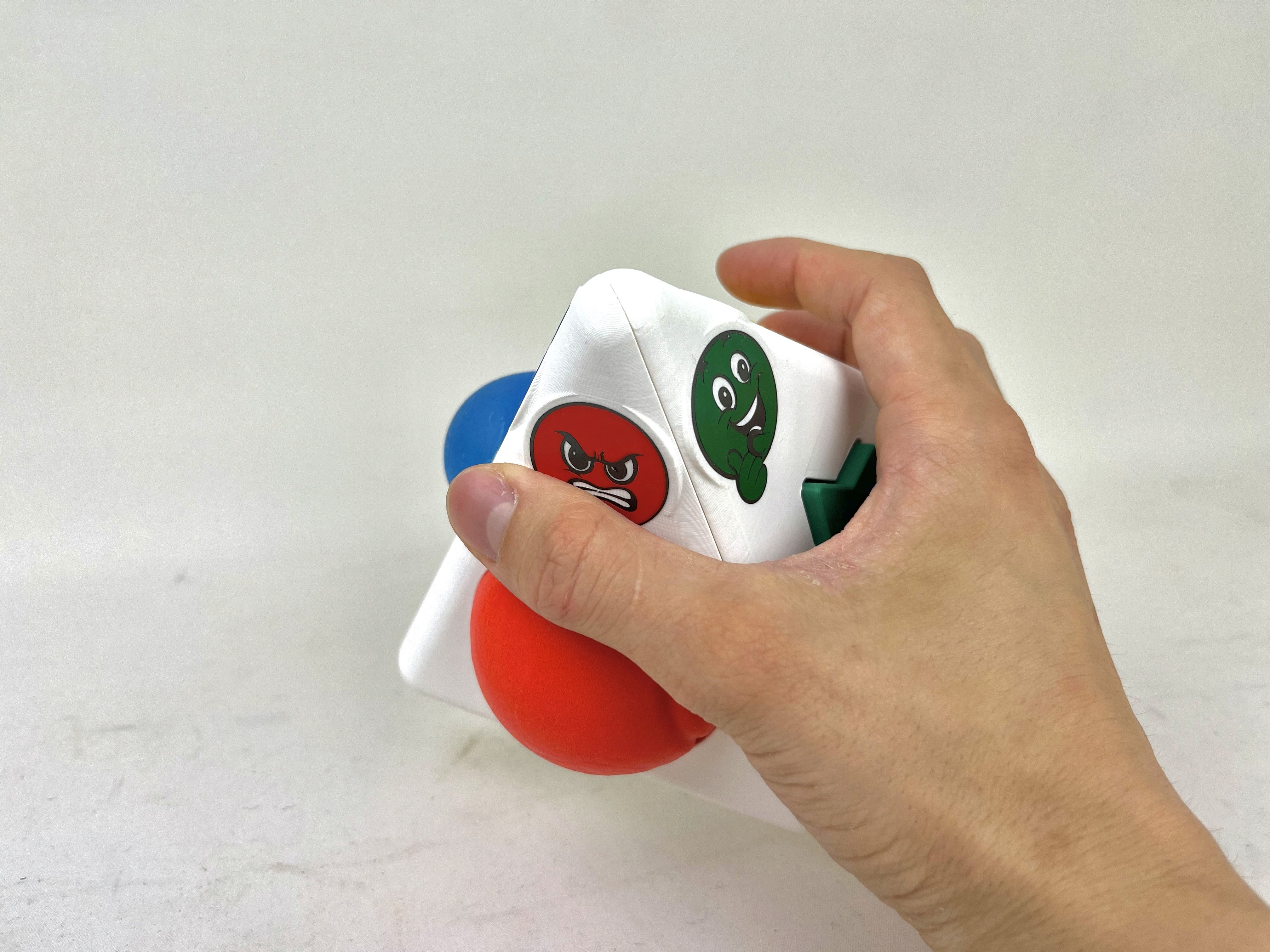
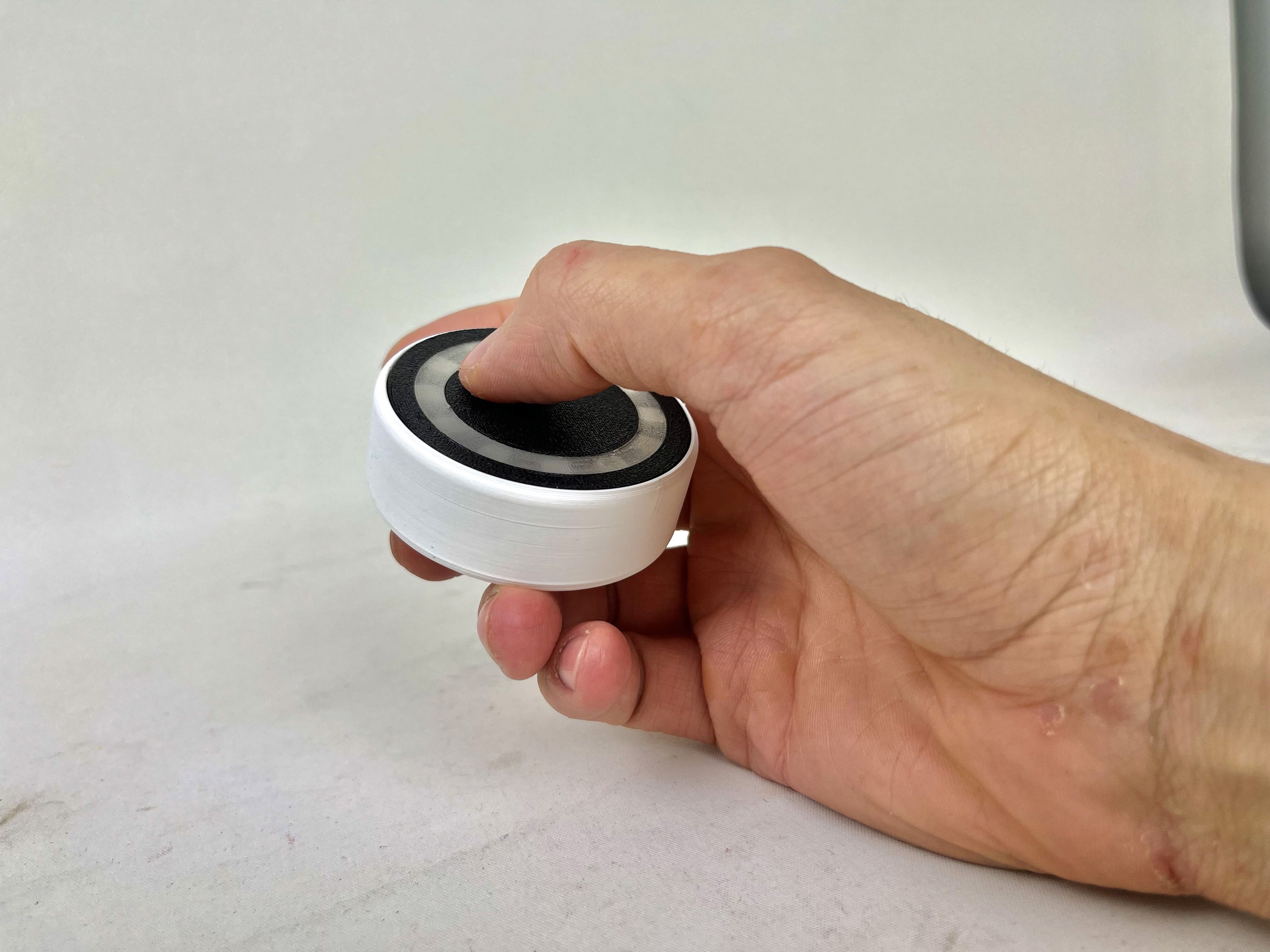
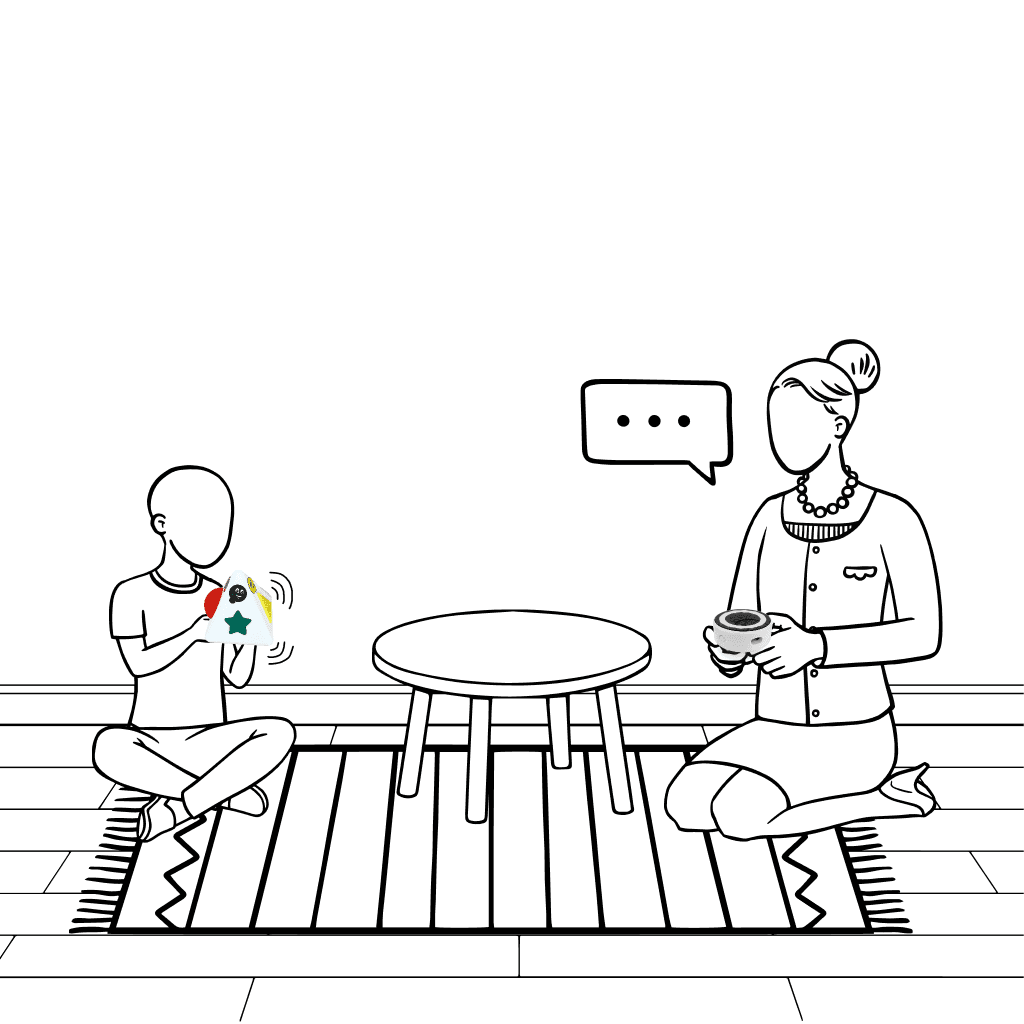
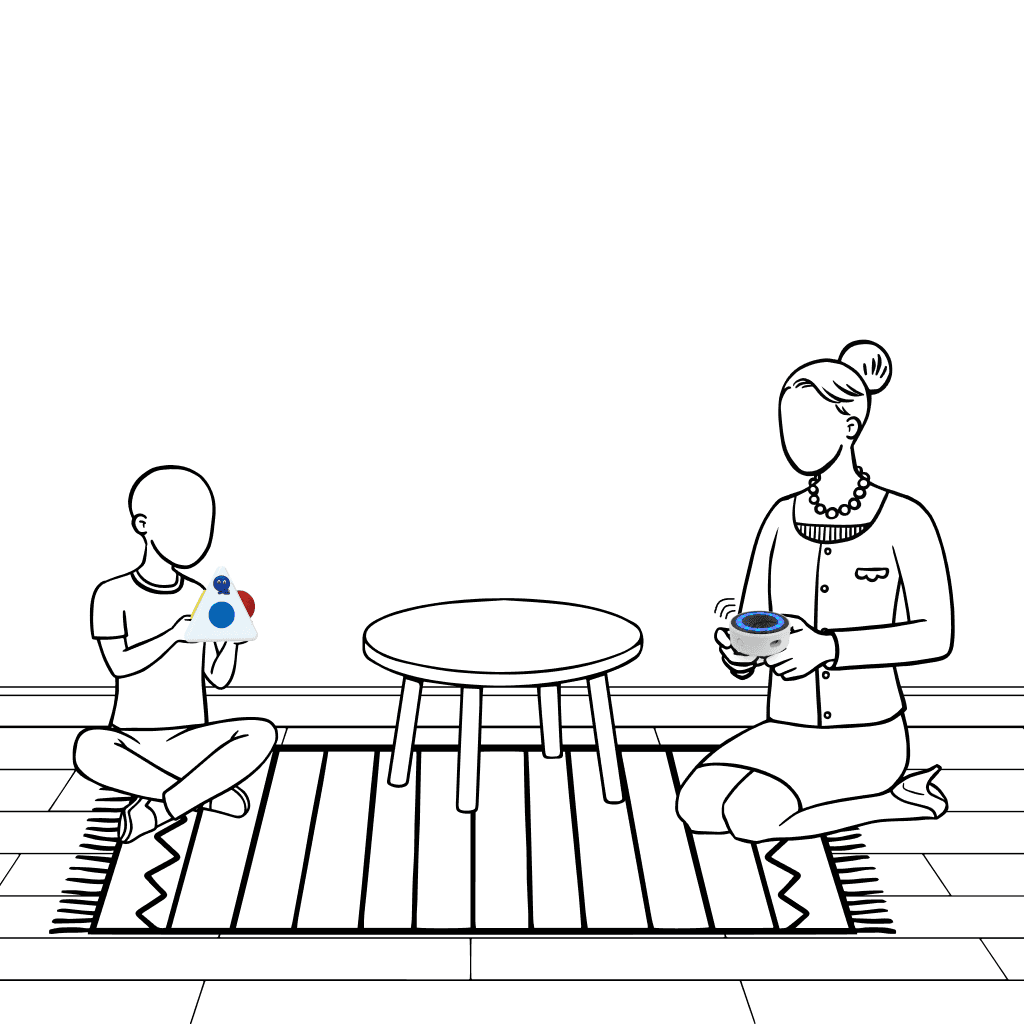
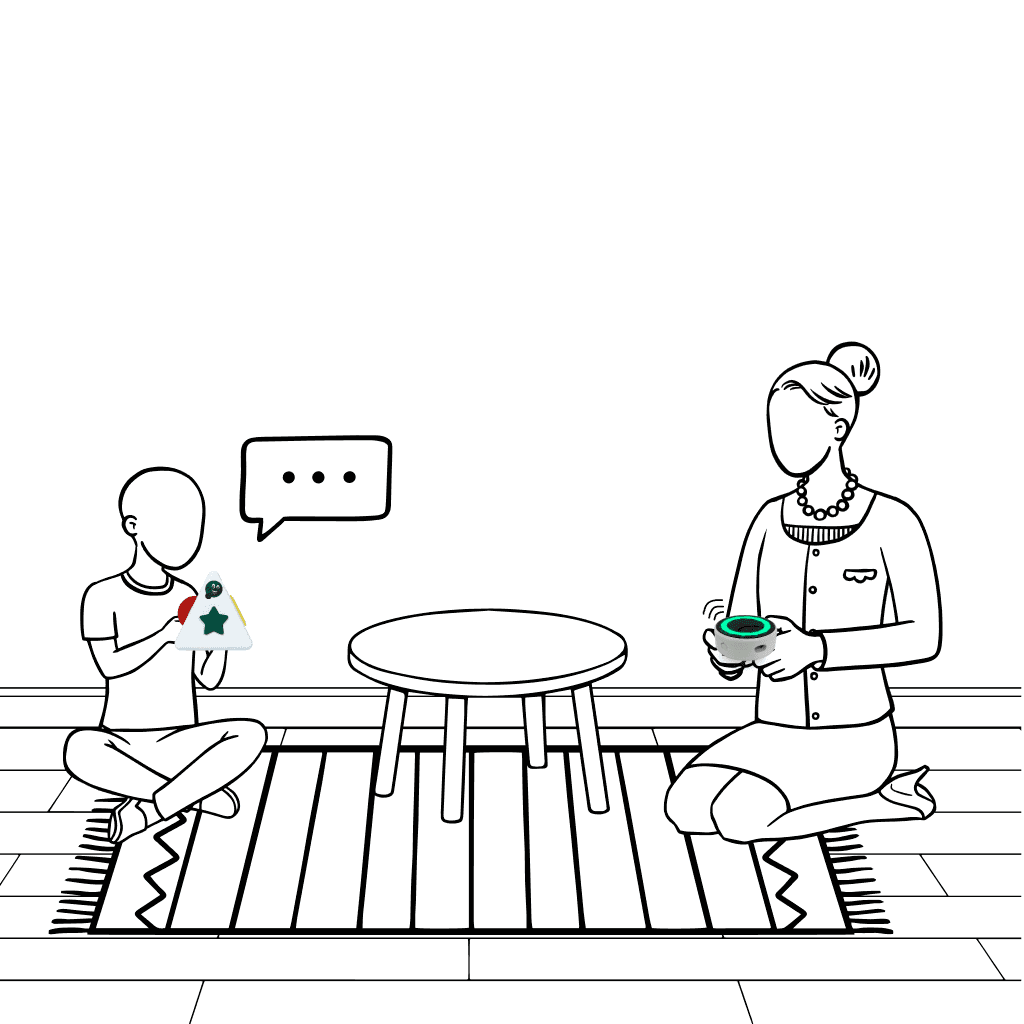
Emoti was developed as a group project focused on supporting children with autism who experience difficulty expressing emotions verbally. We aimed to create an intuitive, accessible tool that encourages communication while helping caregivers better understand emotional triggers.
Challanges
Design and Interaction
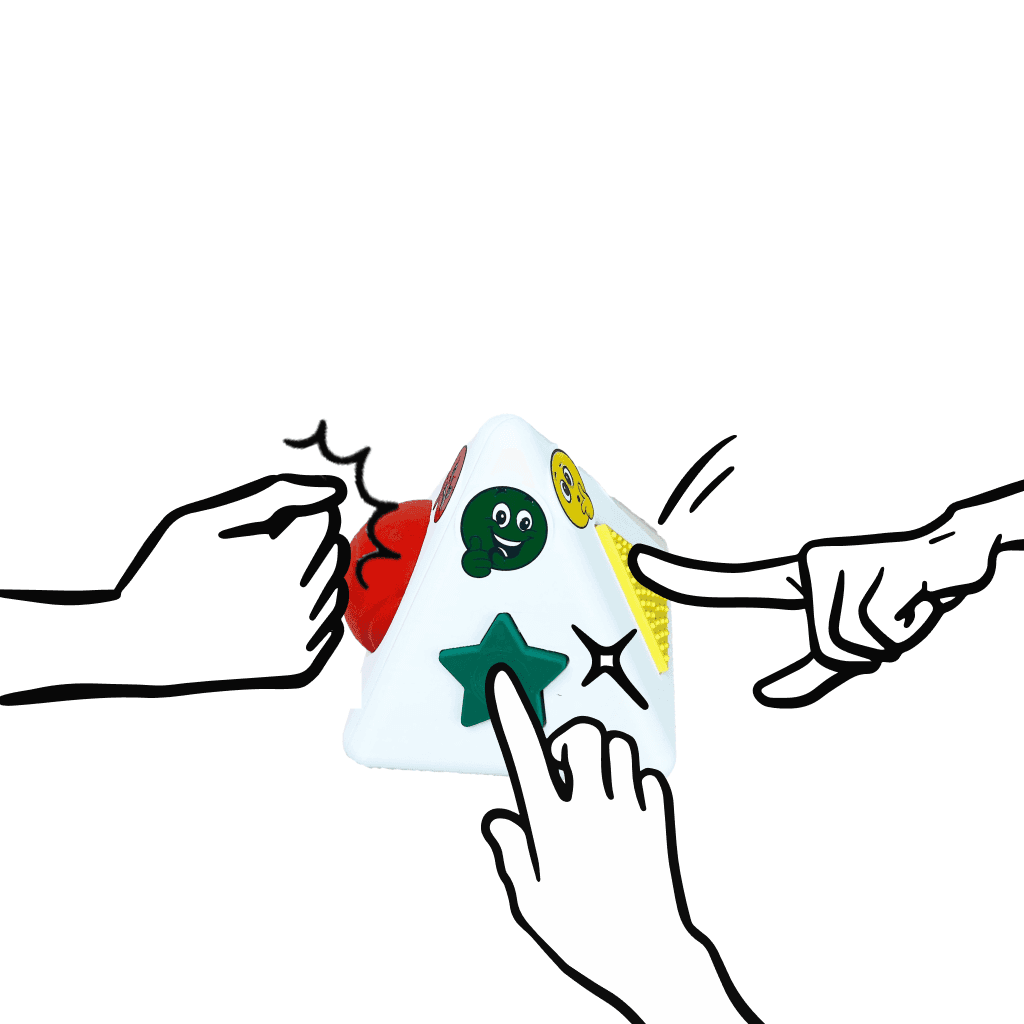
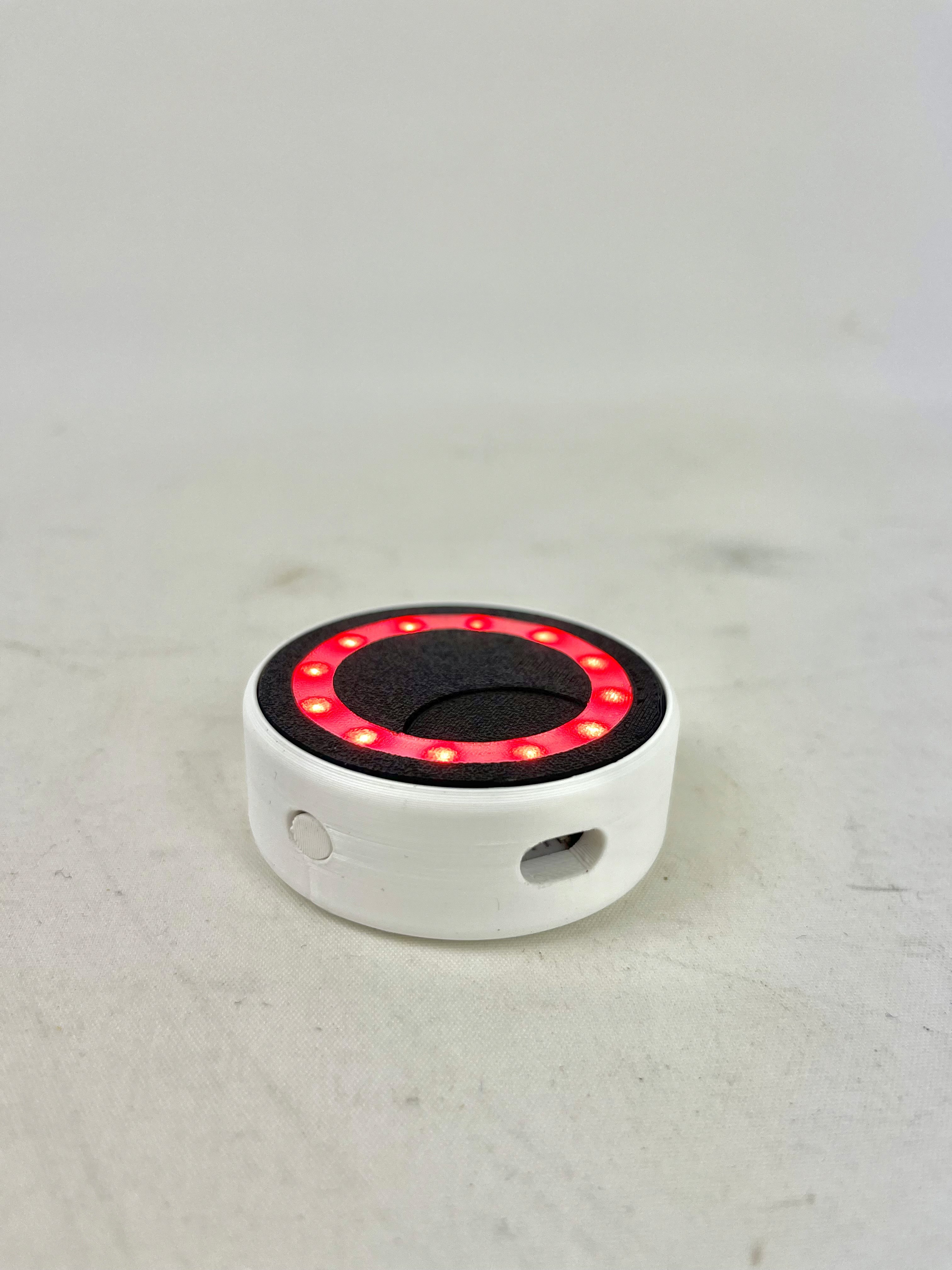
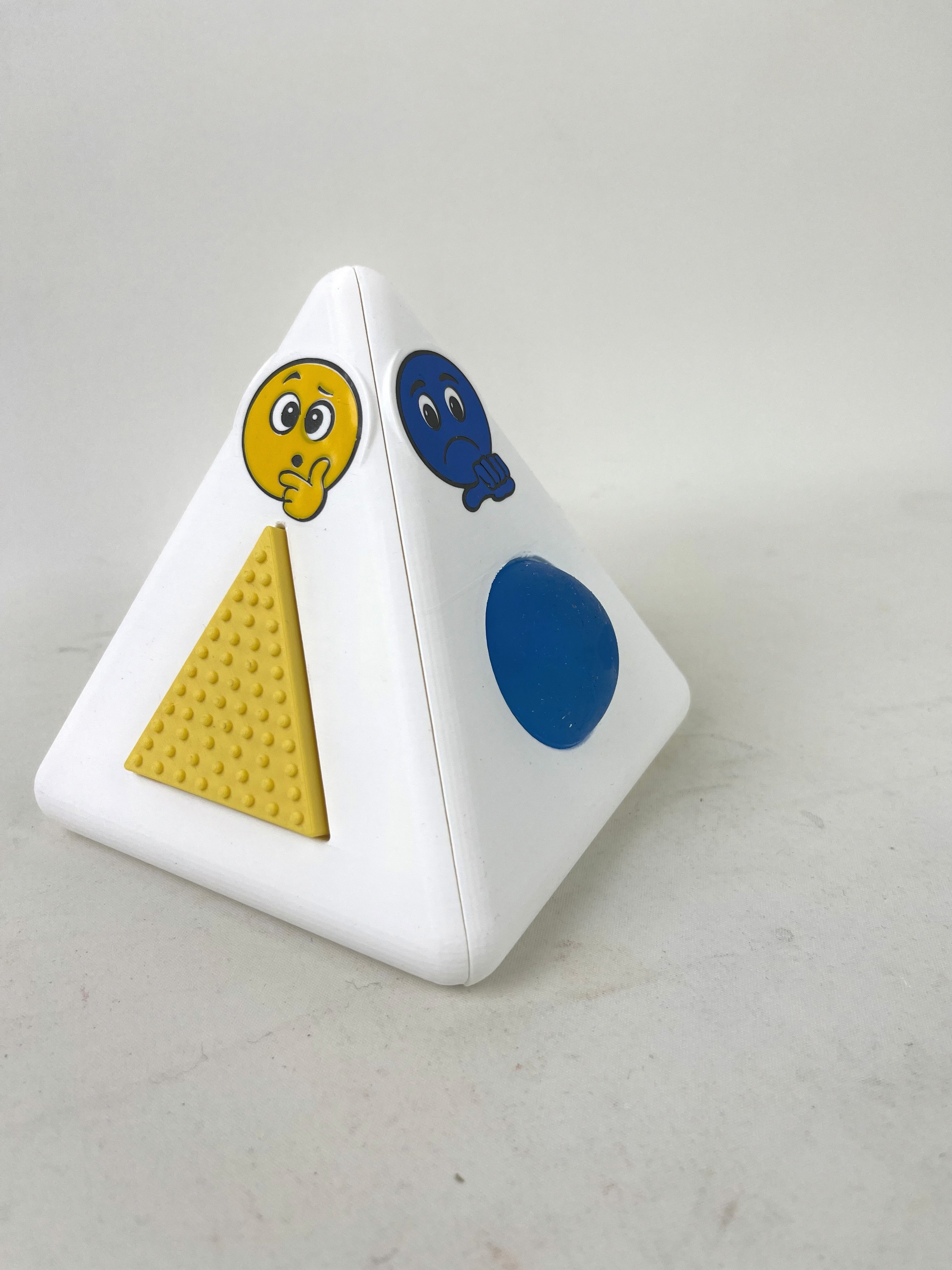
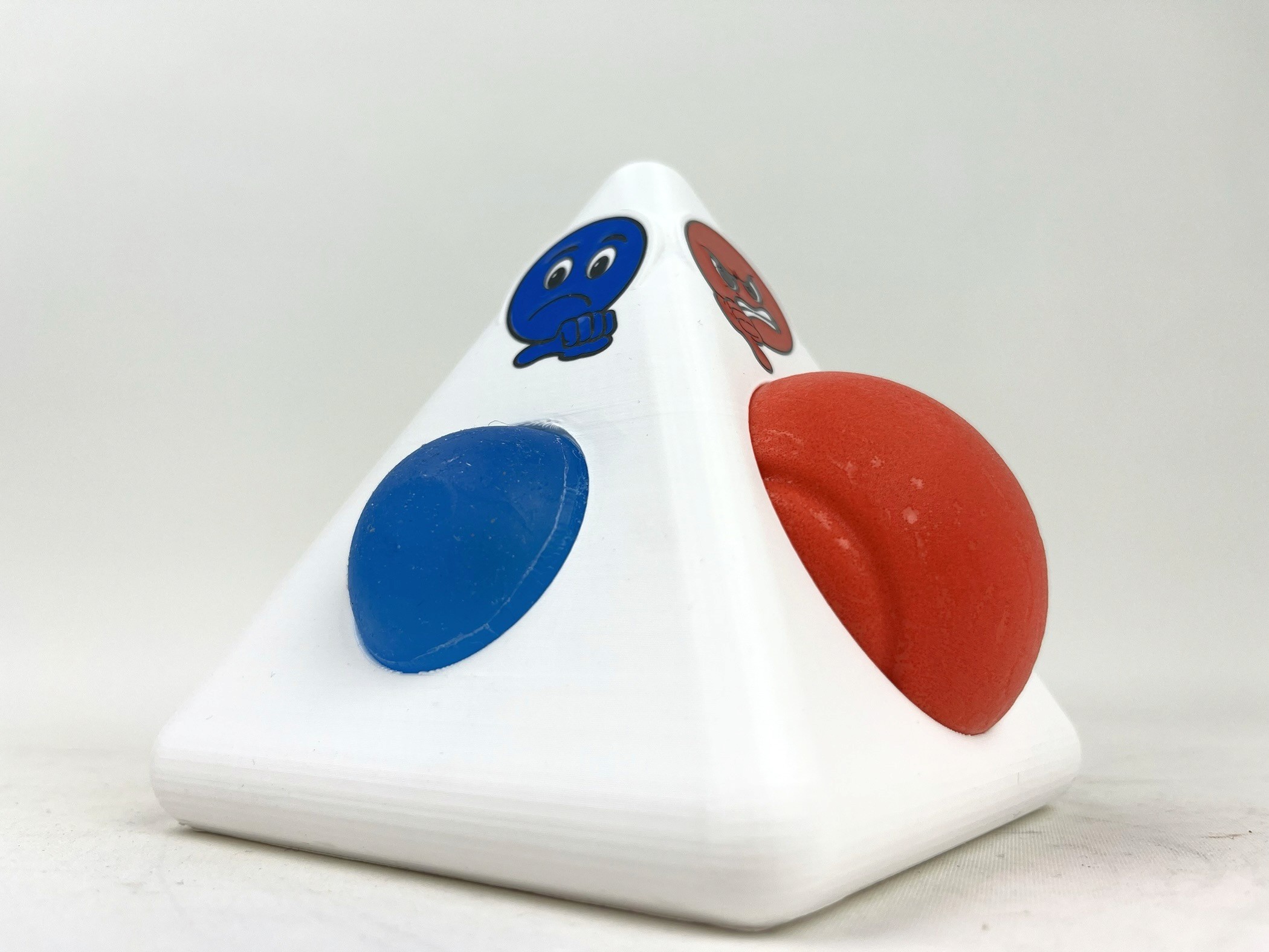
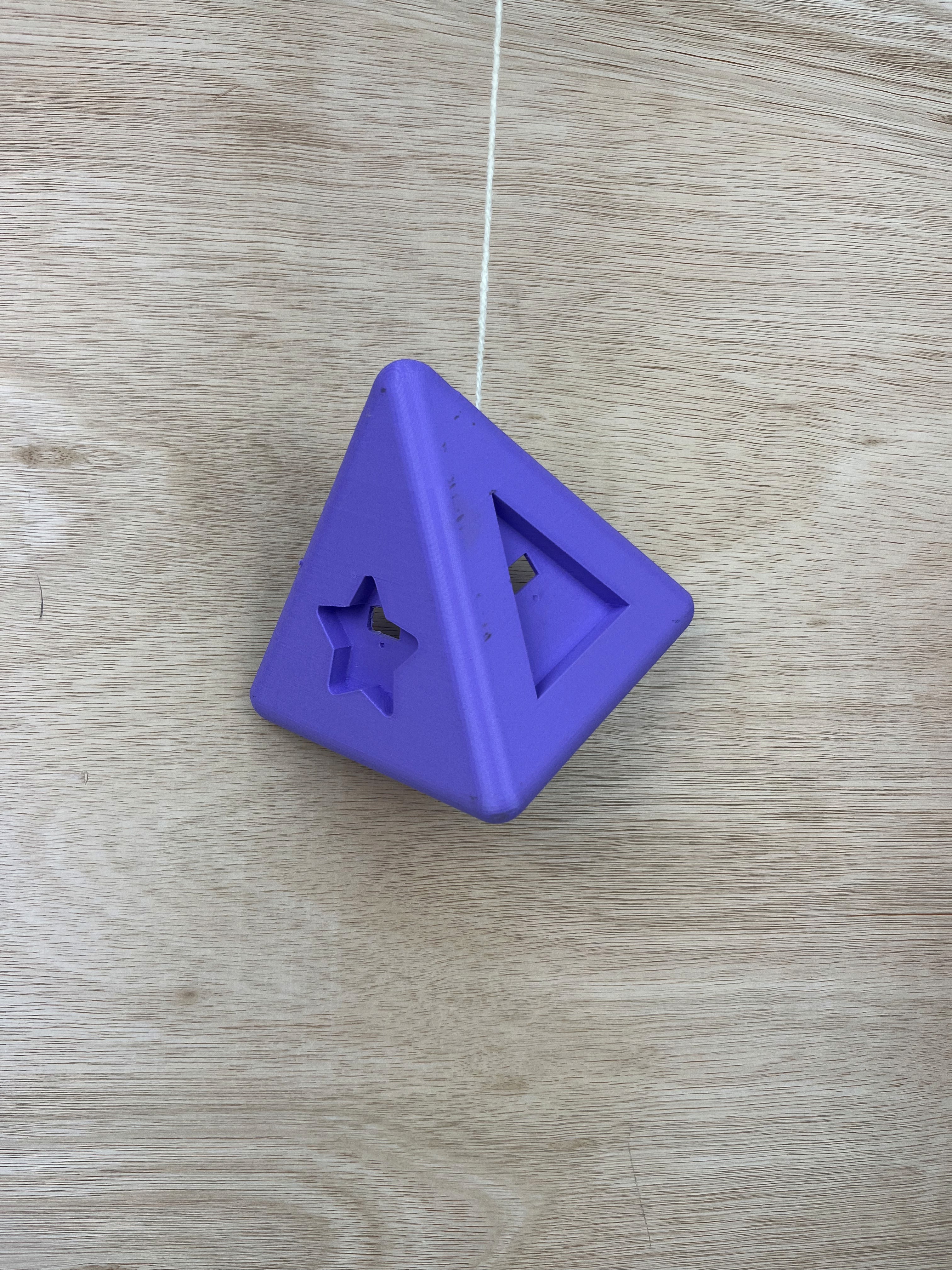
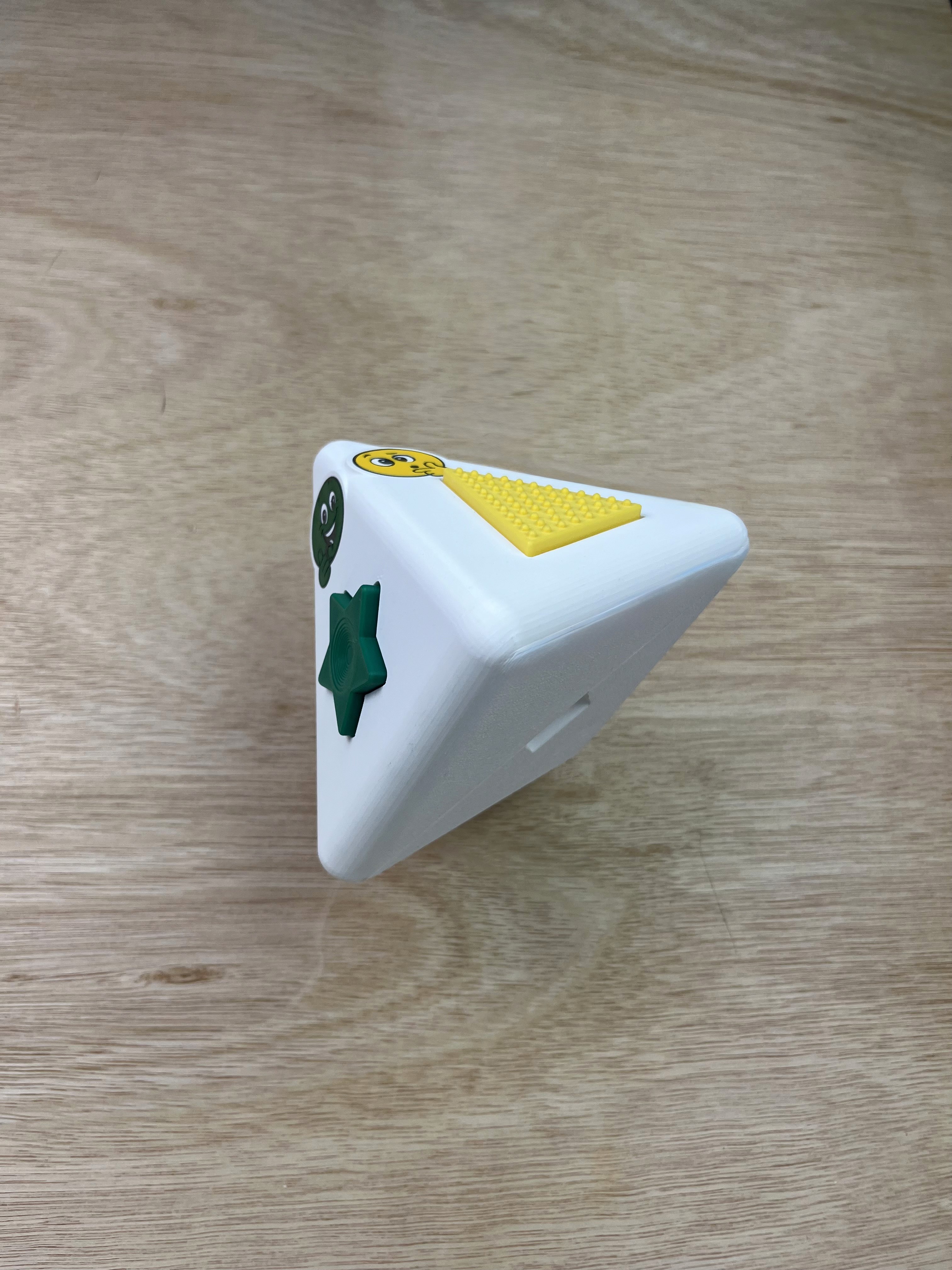
The device features four distinct buttons, each designed with a unique tactile interaction to reflect different emotional states. By engaging with these varied inputs, users can communicate how they feel in a way that is immediate and non-verbal. The goal is to support emotional recognition and enable more responsive adjustments to activities and environments
Summary
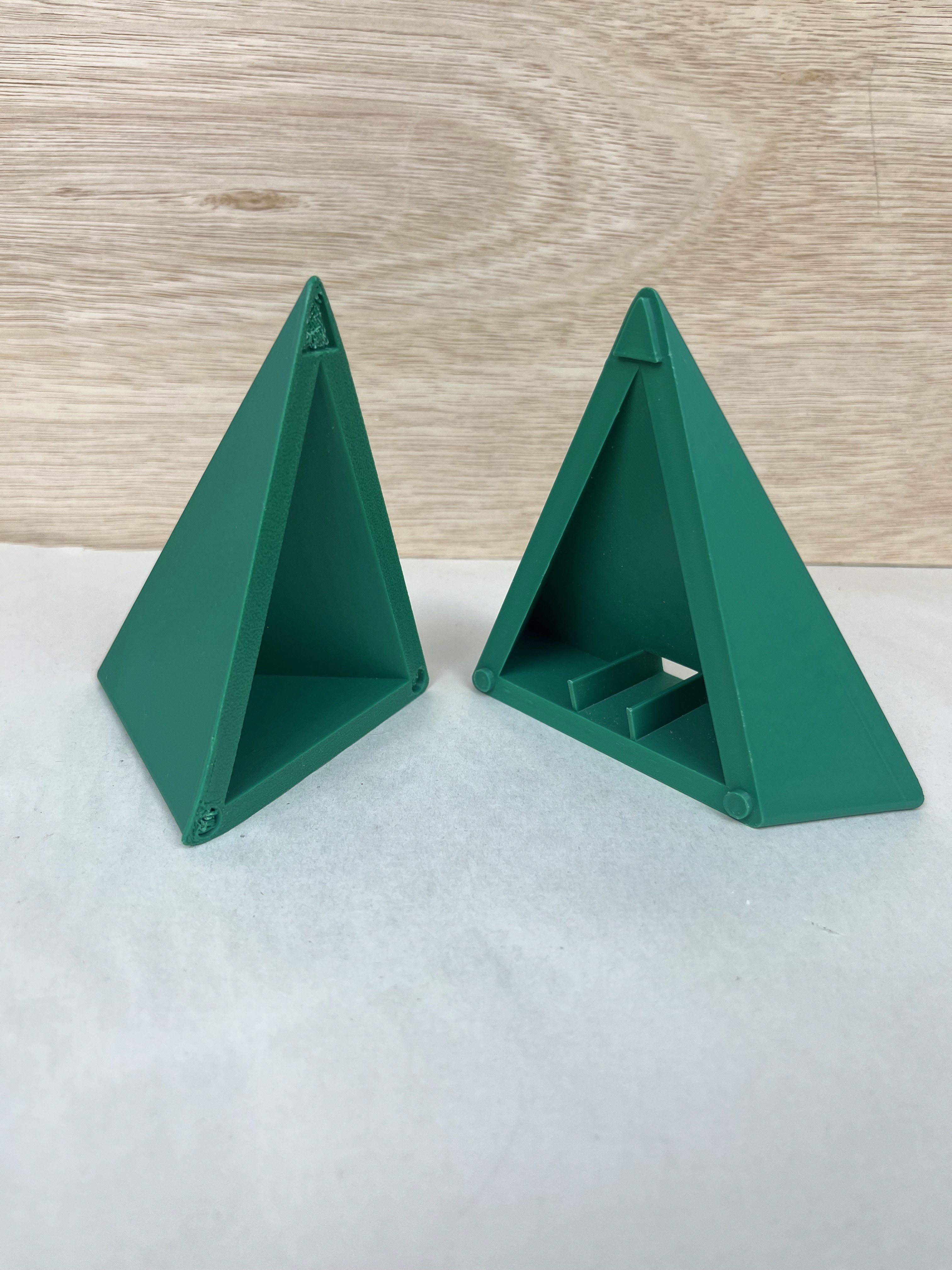
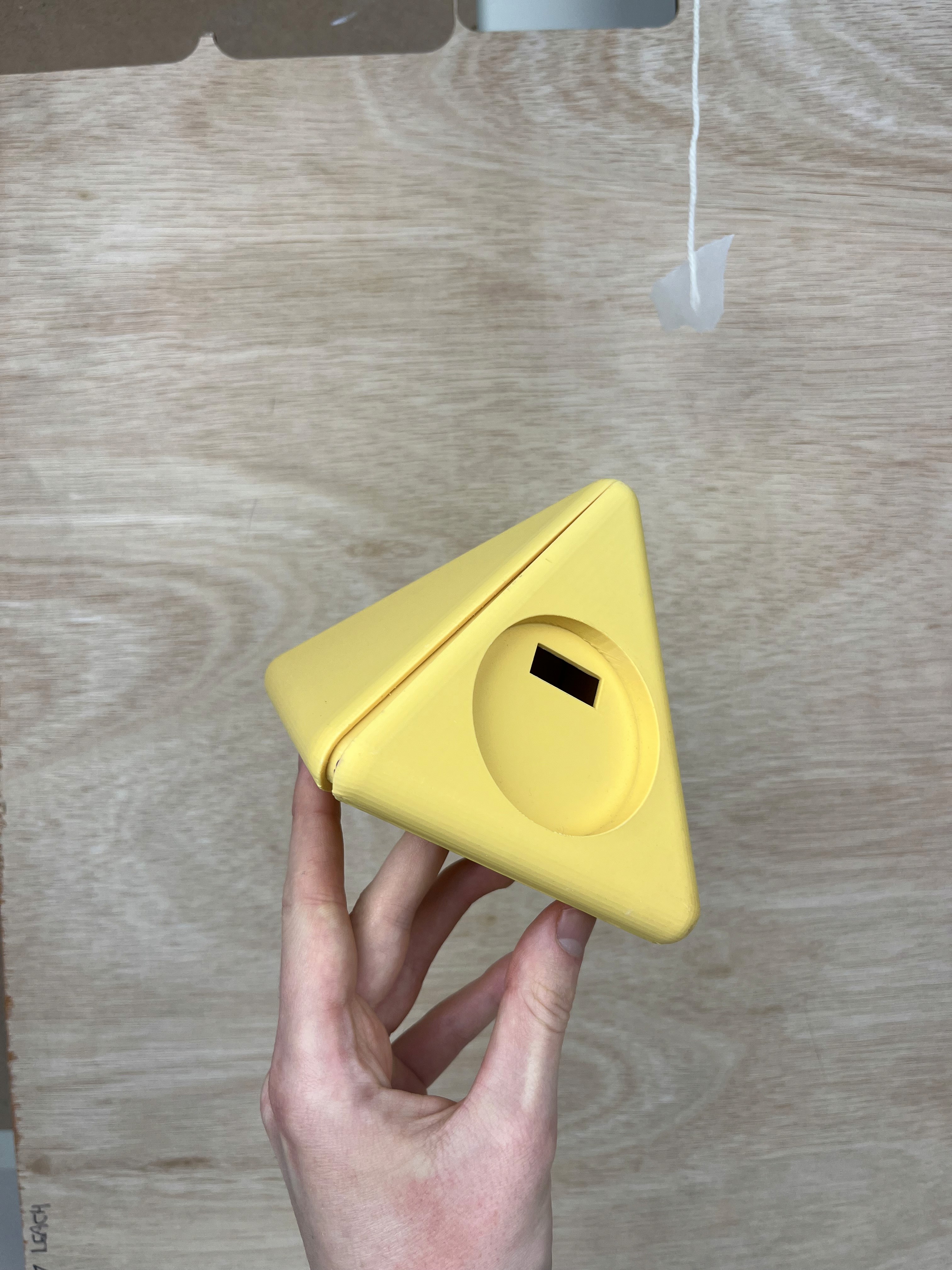
The form development of Emoti was driven by ergonomics, safety, and ease of interaction. We explored a range of handheld geometries, ultimately selecting a pyramid-like form that naturally fits within the hand and encourages intuitive use from multiple orientations.
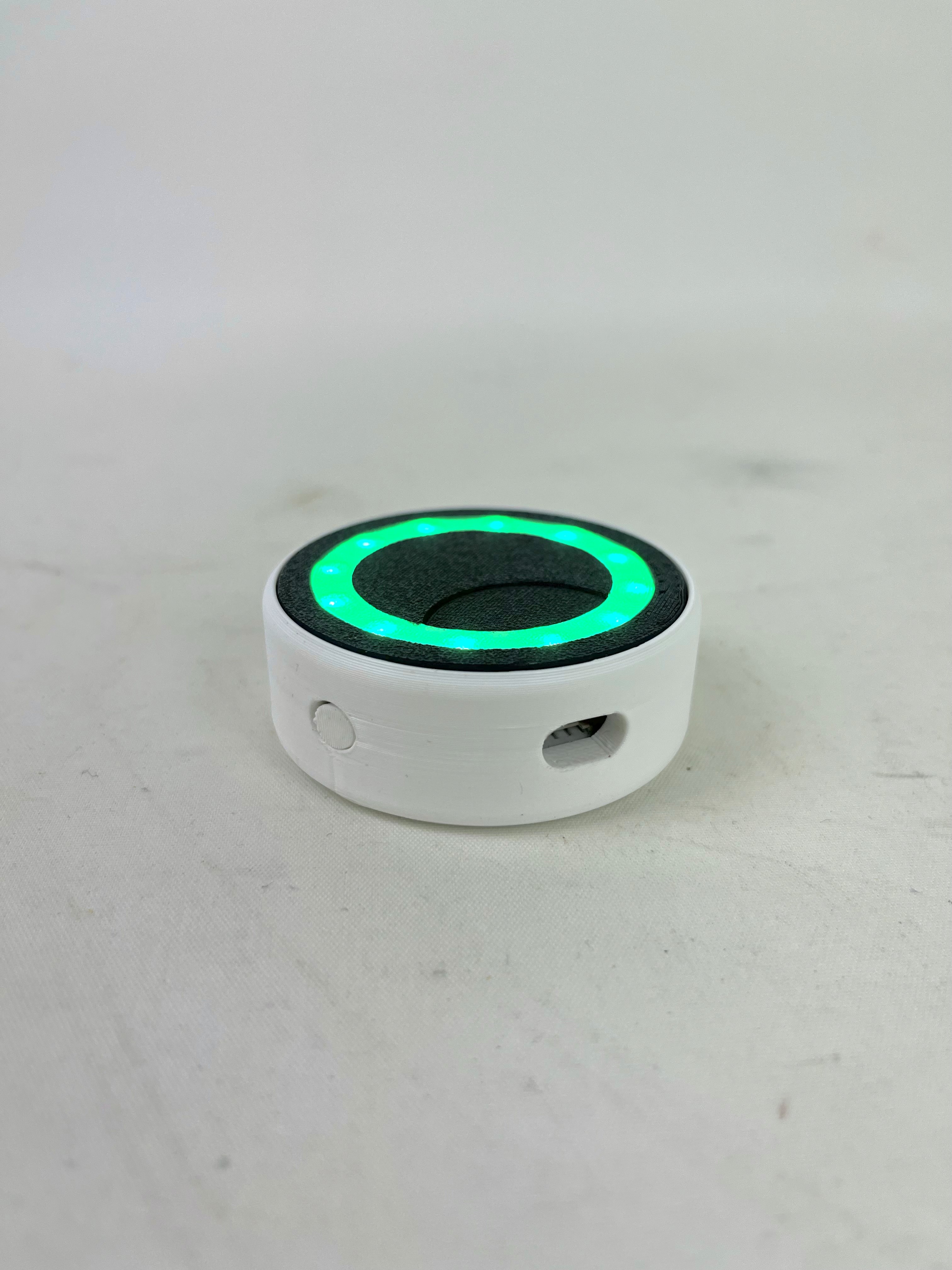
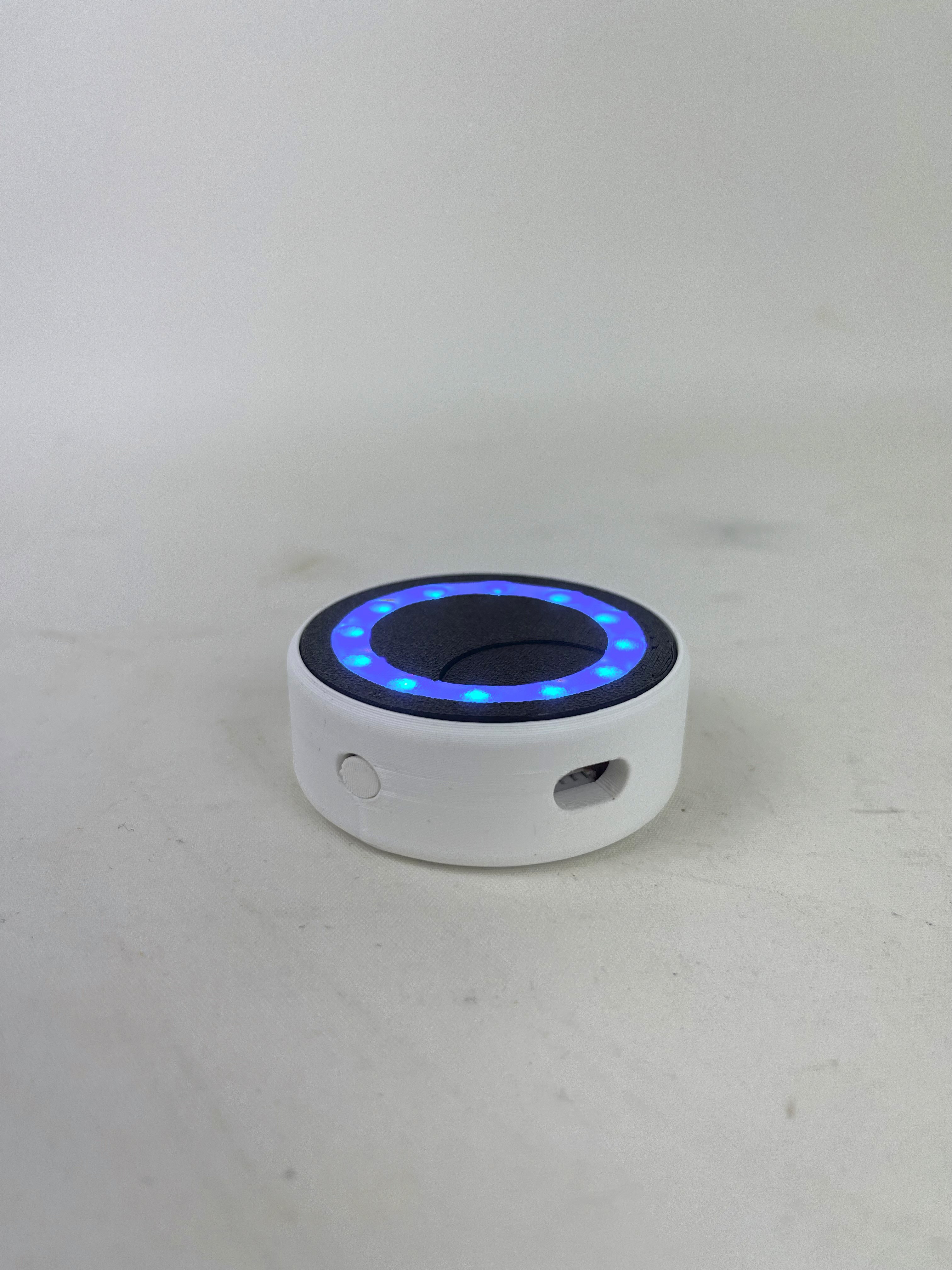
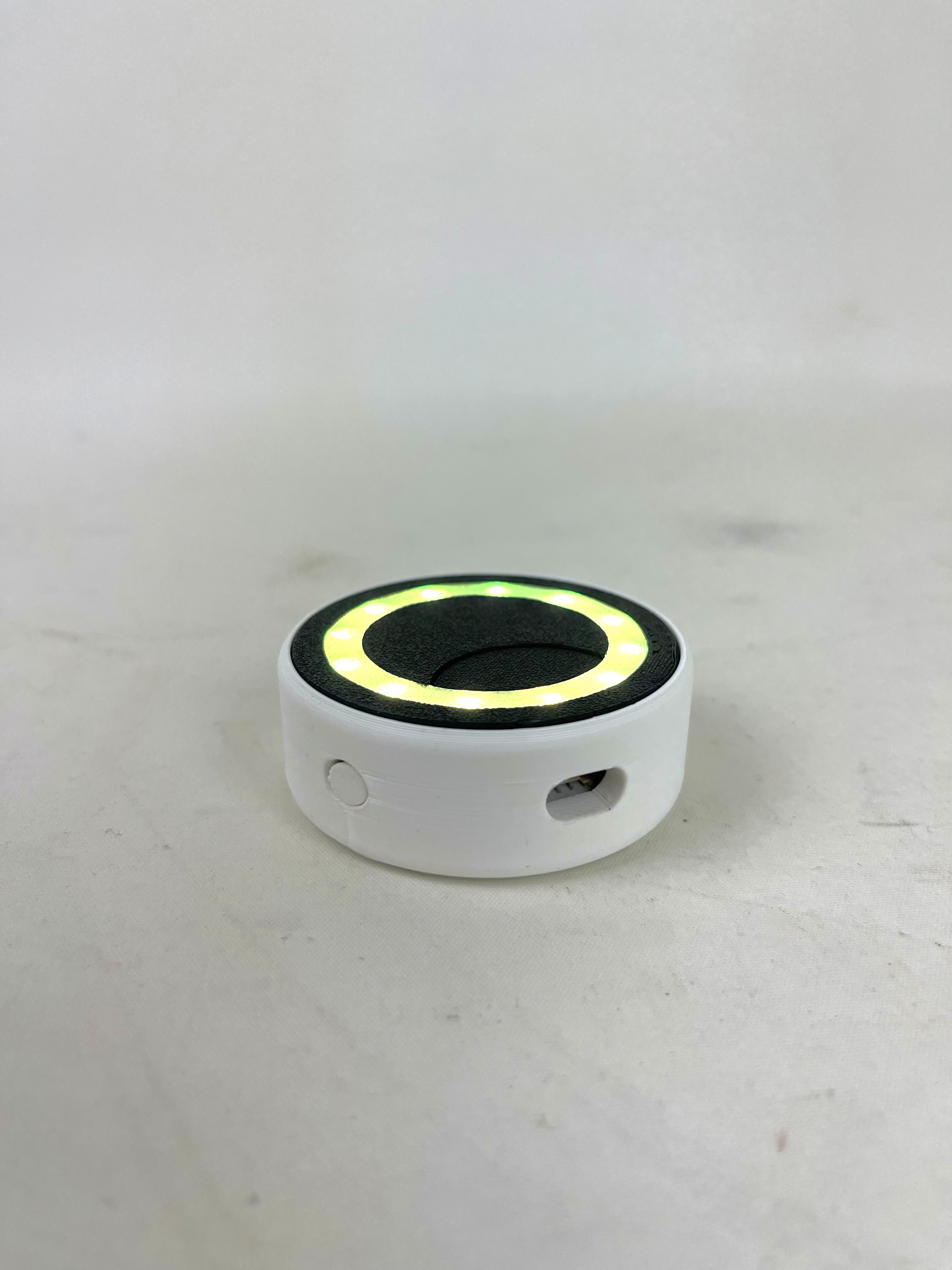
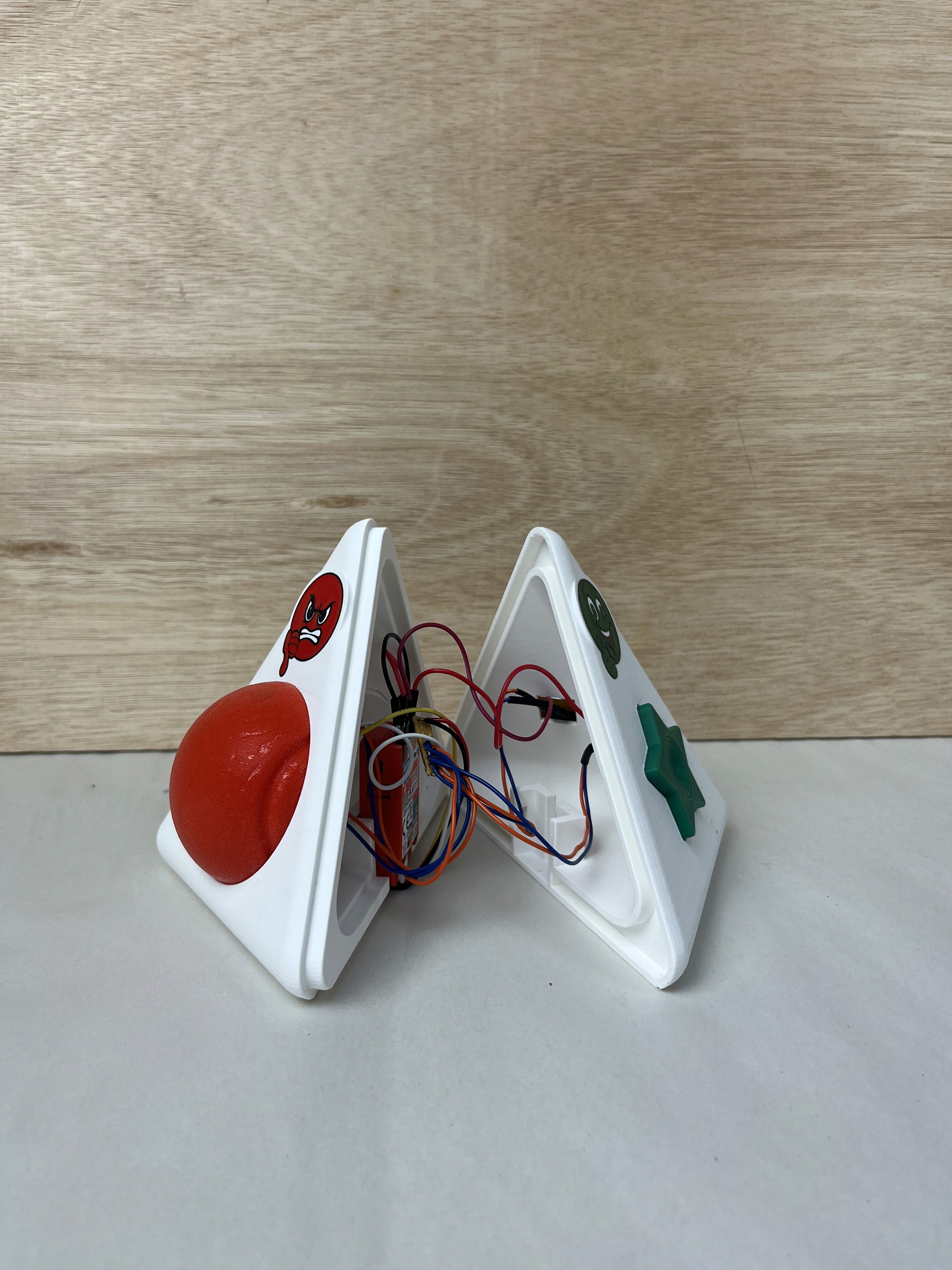
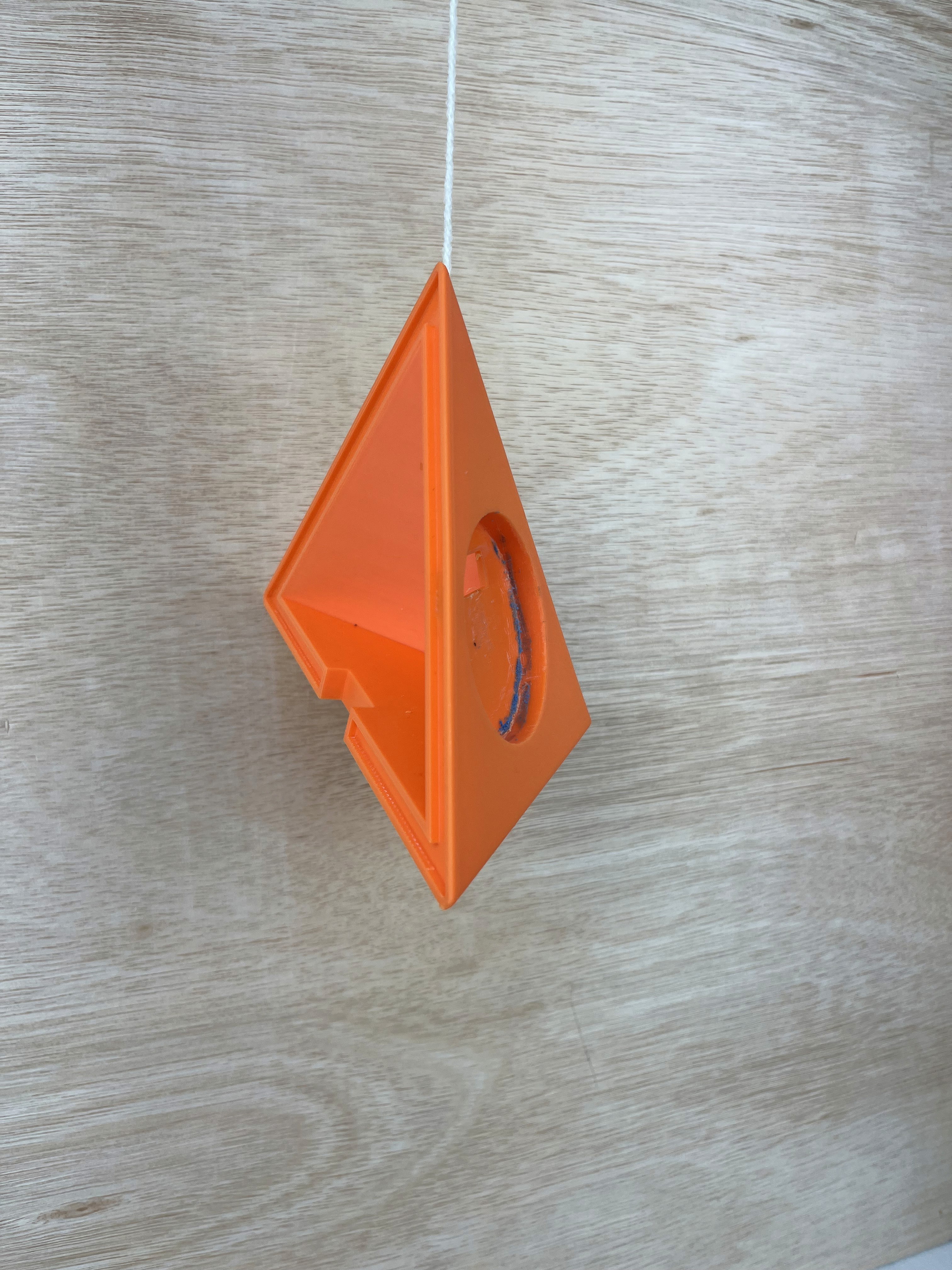
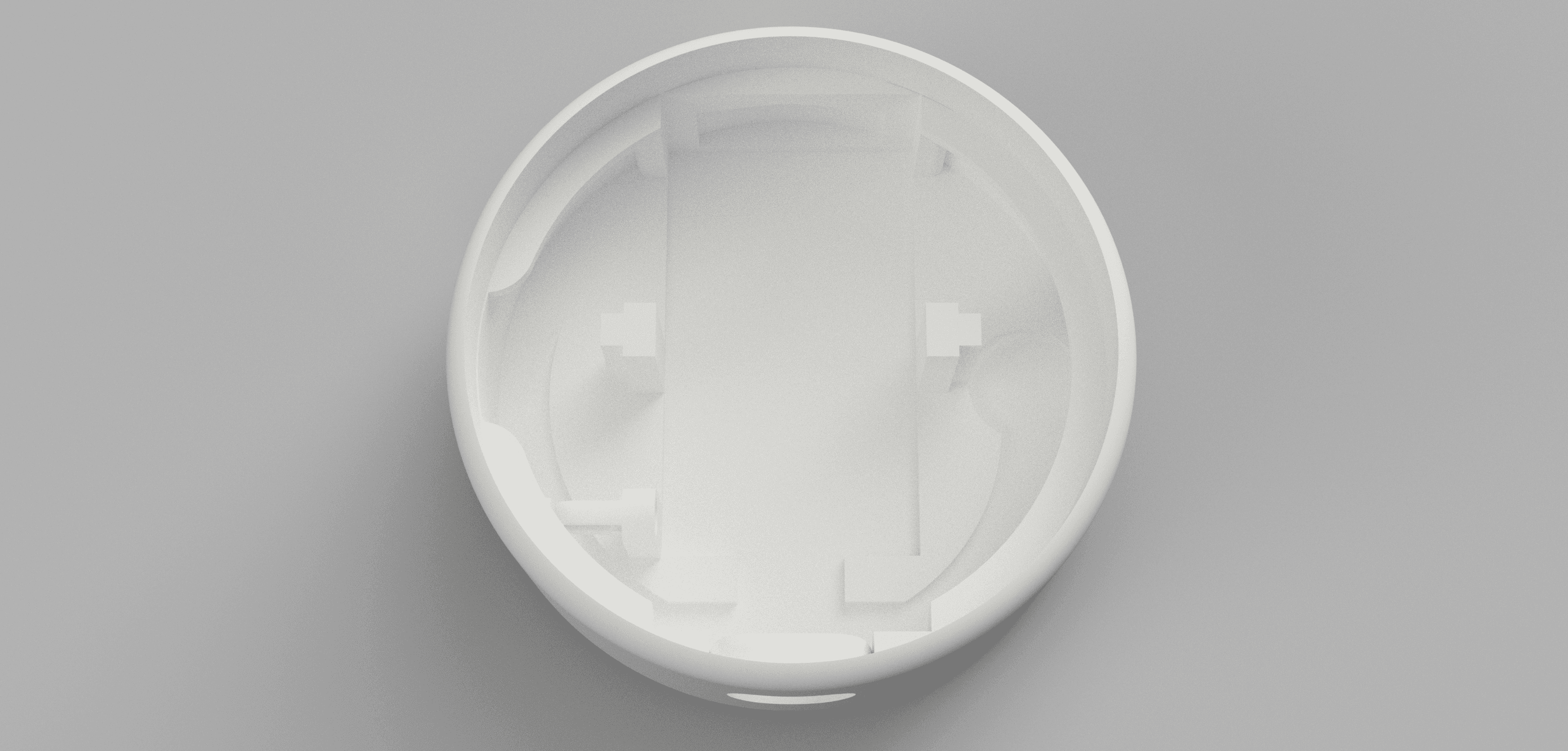
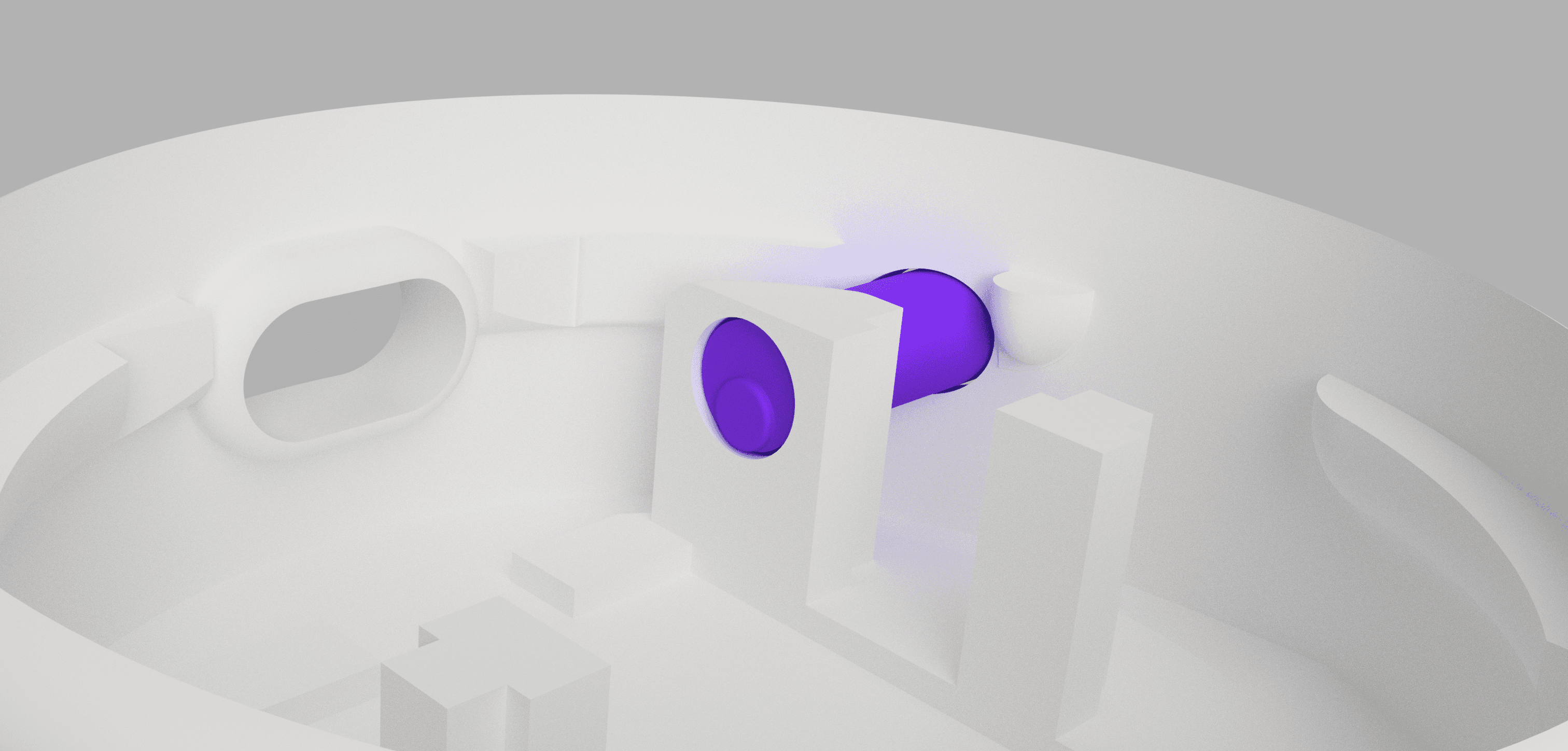
The design evolved into a split body with a snap-fit assembly, allowing for efficient construction and access to internal components while maintaining a clean external form. Particular attention was given to edge conditions—sharp corners were softened into rounded edges to ensure the device feels safe, comfortable, and appropriate for children.
DISCOVER MORE